
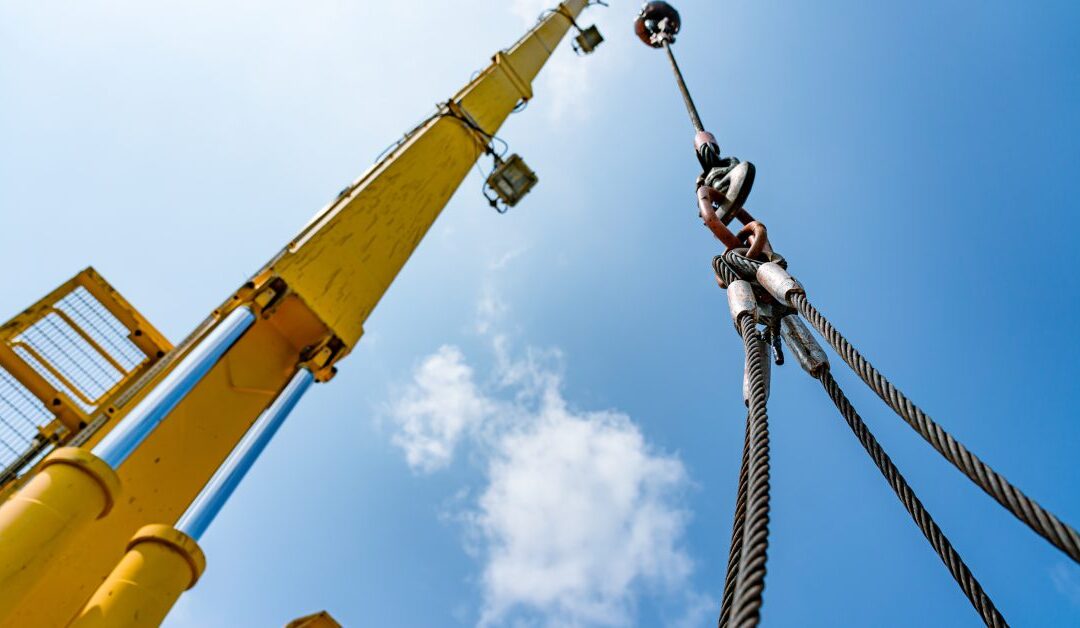
Wire rope failures can slow a job down fast and create serious safety concerns. That’s why advancements in non-destructive testing for wire ropes are becoming a key part of modern jobsite planning. These methods let crews check internal and external conditions without taking equipment out of service. With better tools available today, teams can make more confident decisions about every rigging cable in use.
Staying ahead of wear doesn’t just protect equipment; it helps keep projects moving. When you can catch issues early, you avoid unexpected downtime and keep work on track.
How Non-Destructive Testing Supports Safer Inspections
Non-destructive testing (NDT) gives you a way to evaluate wire rope without cutting or damaging it. Instead of relying only on visual checks, these methods use specialized tools to uncover problems that aren’t visible on the surface. That added visibility makes it easier to understand the rope’s true condition.
In the field, NDT tools fit into routine inspections or pre-lift checks. This flexibility helps crews stay proactive instead of reacting after something goes wrong. It also supports better planning when workloads shift or conditions change.
What New Technologies Improve Inspection Accuracy
Recent advancements have made testing more practical for everyday use. Today’s tools are designed to be portable, reliable, and straightforward to use on active job sites. Crews can gather accurate data without slowing down the work.
Here are a few technologies making a real difference:
- Magnetic flux leakage tools that detect internal wire breaks
- Electromagnetic scanners that measure changes in rope structure
- Ultrasonic devices that identify hidden flaws within the rope
- Digital systems that track inspection data over time
Each of these tools gives a clearer picture of rope condition. With better insight, teams can make informed decisions without replacing equipment too early.
Why Early Detection Makes a Difference
Wire ropes often show signs of wear before failure, but those signs aren’t always easy to see. Without proper testing, small issues can turn into bigger problems that affect safety and productivity. Early detection helps you stay in control.
Using NDT methods can help you:
- Reduce the risk of unexpected failures.
- Extend equipment life when conditions allow.
- Plan maintenance based on actual rope condition.
- Support safer lifting practices across the jobsite.
This approach keeps your operation running smoothly while reinforcing a strong safety mindset.
How To Choose the Right Testing Approach
The right testing method depends on how and where your equipment is used. Load demands, environmental conditions, and frequency of use all play a role in your inspection needs. A high-use setup may need more frequent testing than lighter applications.
Working with an experienced supplier can make the process easier. With expert guidance, you can choose testing solutions that fit your setup and integrate smoothly into your workflow. That support helps you stay efficient without sacrificing safety.
Staying Ahead With Smarter Rope Inspections
Advancements in non-destructive testing for wire ropes are changing how teams manage equipment in the field. With better tools and clearer data, you can stay ahead of wear and keep projects on schedule. These improvements give you a more reliable way to evaluate every rigging cable without slowing down your operation.
If you’re ready to improve your inspection process or need help selecting the right rigging supplies, American Cable & Rigging is here to help. Reach out today for expert guidance and find solutions that support safe, reliable lifts.