
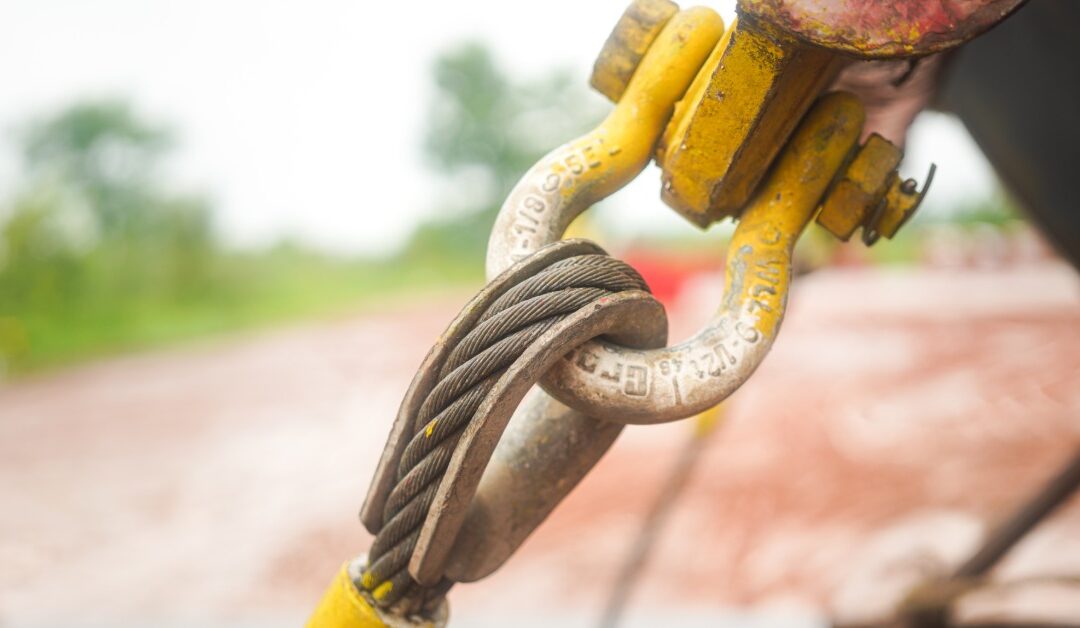
Every safe lift starts before the hook moves. Crews need a confirmed load weight before choosing a sling or hardware. They also need to understand the angle, connection points, and lift path. Rigging calculations for beginners can feel intimidating at first, but the basics come down to a few practical checks.
The goal is not to replace qualified lift planning or manufacturer guidance. It is to help buyers and crews understand which numbers matter when selecting rigging equipment for everyday lifting needs.
Start With the Load
The first number you need is the actual load weight. Do not estimate based on appearance or what a similar item weighed on another job. Use drawings, tags, scale readings, or manufacturer information whenever possible.
Next, look at how the load is shaped. A balanced load with clear pick points is usually easier to plan than an uneven load with an offset center of gravity. The center of gravity is the point where the load’s weight is balanced. If that point is not centered, one sling leg may carry more force than expected.
Check the Sling Angle
Sling angle is one of the most important beginner rigging calculations. A sling angle is the angle between the sling leg and the horizontal load surface. As that angle gets lower, tension in the sling increases.
That extra tension can surprise beginners. A two-leg bridle sling does not always divide the weight evenly in half. The angle affects how much force each leg carries, and load balance affects it too.
Before lifting, confirm:
- The load weight is known.
- The sling angle is acceptable.
- The sling rating matches the setup.
- The hardware rating supports the connection.
- The lift path is clear.
Match the Full System
Rigging is more than the sling. Shackles, hooks, master links, eyebolts, and attachment points all have to work together. One underrated component can limit the whole assembly, even if the sling itself appears strong enough.
Working load limit (WLL) means the maximum load a component is rated to handle under specified conditions. Always use the WLL listed by the manufacturer. Never assume two similar-looking parts share the same rating.
Rigging calculations for beginners should also include the way the sling is used. A vertical hitch, choker hitch, and basket hitch can each affect capacity differently. Check the sling tag and manufacturer information before deciding which setup fits the lift.
Ask for Help Before the Lift
Good rigging decisions protect crews, equipment, and schedules. Taking a few minutes to confirm the load weight and sling angle can help prevent costly delays. It also gives your team a clearer path before the lift begins.
When the lift is unusual, heavy, or hard to balance, get qualified guidance before moving forward. American Cable & Rigging can help you choose durable slings, shackles, and related hardware that fit your lifting setup. Contact the team for help selecting rigging equipment, or request a quote for custom-built slings that match your application.