
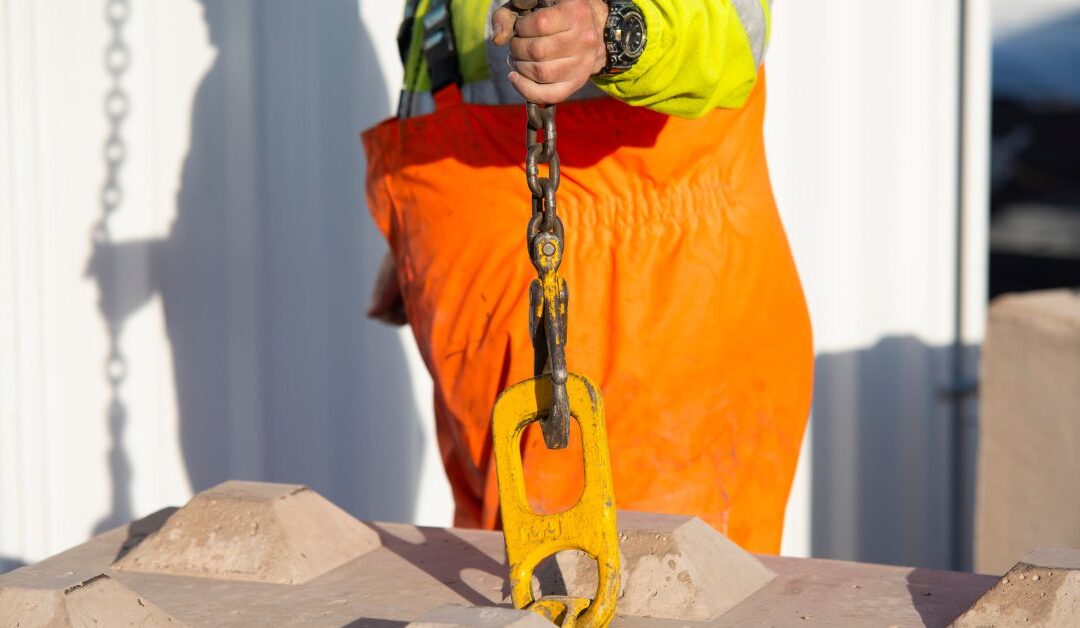
Rigging work comes with serious responsibility. Every lift depends on proper planning, dependable equipment, and clear communication before the load ever leaves the ground. Navigating insurance and liability in rigging operations starts with understanding where risk shows up and how safer work habits can help protect your crew, equipment, and project timeline.
Insurance policies and legal requirements can vary from one jobsite to another. Because of that, contractors should confirm coverage details with their insurance provider and discuss legal concerns with a qualified professional. Even so, strong rigging practices go a long way toward supporting safer and more reliable operations.
Understand Jobsite Risks
Liability concerns often come down to preparation and decision-making. In rigging operations, that includes using properly rated equipment, inspecting gear before use, and following established lifting procedures. A small oversight can lead to damaged equipment or unnecessary safety concerns.
The Occupational Safety and Health Administration (OSHA) requires rigging equipment used for material handling to be inspected before each shift. OSHA also states that damaged or defective slings must be removed from service immediately. Consistent inspections help crews catch worn equipment before it creates larger problems on the job.
Clear documentation also plays an important roll. Keeping organized records helps supervisors track equipment conditions and maintenance history over time. It can also make communication smoother between everyone.
Maintain Consistent Safety Practices
Reliable routines help reduce risk long before insurance claims or liability questions become part of the conversation. Teams should inspect slings, shackles, hooks, and hardware carefully before every lift. If something looks worn or damaged, taking a closer look is always the safer decision.
Many companies strengthen jobsite safety by following consistent inspection and training procedures. These practices may include:
- Daily equipment inspections
- Load planning reviews
- Equipment identification tracking
- Operator and rigger training documentation
The same attention to detail matters on smaller installation projects, too. Crews should still follow manufacturer recommendations and choose components designed to work together properly. Using compatible hardware helps installations move more smoothly while supporting long-term reliability.
Support Safer Rigging Decisions
Navigating insurance and liability in rigging operations becomes more manageable when crews have dependable products and expert guidance behind every project. Choosing the right hardware the first time can help reduce delays and improve confidence on the jobsite.
American Cable & Rigging provides durable rigging supplies, cable railing tools, custom sling fabrication, and expert guidance for a wide range of lifting applications. Contact our team today for help selecting reliable equipment or requesting a quote for custom-built rigging solutions.