
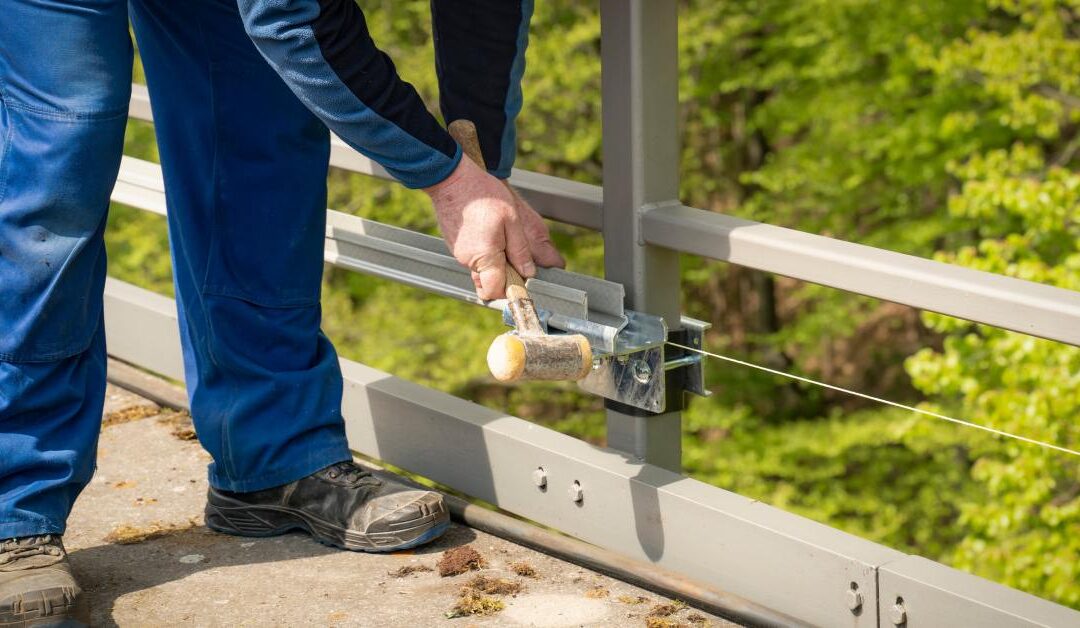
Installing a cable railing system can improve both safety and appearance on a project, but it also brings real risks if the work isn’t handled carefully. Understanding the common workplace hazards in cable railing installation helps crews stay efficient while avoiding injuries and delays. Taking a safety-first approach from the start keeps your project moving without unnecessary setbacks.
Cuts From Frayed Cable and Cutting Tools
Cutting stainless steel cable is a routine part of installation, but it’s also where injuries happen most often. Frayed ends and sharp strands can cause quick cuts, especially when the wrong tools are used. Clean, controlled cuts make the process safer and help everything fit the way it should.
Using a professional cable railing cutter allows you to make precise cuts without crushing or unraveling the cable. That leads to better-fitting connections and less time spent fixing issues later. Keeping tools sharp and in good condition also helps you work more efficiently.
Snap-Back Injuries From Tensioned Cables
Proper cable tension plays a big role in both safety and long-term performance. Overtightening can strain posts and fittings, while loose cables may not meet expected safety standards. Getting that balance right helps the system hold up over time.
Applying even tension across all cables is just as important. Uneven adjustments can create stress in certain areas and lead to early wear. Taking a steady, consistent approach helps keep everything aligned and reliable.
It’s also important to stay aware of stored energy in tensioned cables. If a fitting slips or releases suddenly, the cable can snap back quickly, so positioning and awareness matter throughout the process.
Problems From Mismatched Parts and Installation Errors
Not every cable, fitting, and post is made to work together. Using incompatible parts or rushing through the installation can create hazards that may not show up until the system is under tension. That can lead to wasted time, damaged components, or an unsafe finished result.
Planning ahead helps prevent these issues. Each component should match the system and application, and alignment should be checked before final tensioning begins. When there’s any uncertainty about fit or compatibility, getting expert guidance early can help avoid bigger problems later.
Supporting Safer Cable Railing Projects
Taking a proactive approach to the common workplace hazards in cable railing installation makes the entire process more predictable. From choosing the right tools to managing tension and compatibility, each step supports long-term performance. Staying focused on safety early helps reduce downtime and keeps projects on schedule.
If you’re preparing for a cable railing project, American Cable Rigging can help you choose durable tools and compatible components. Reach out to our team for expert guidance and solutions that fit your needs.