
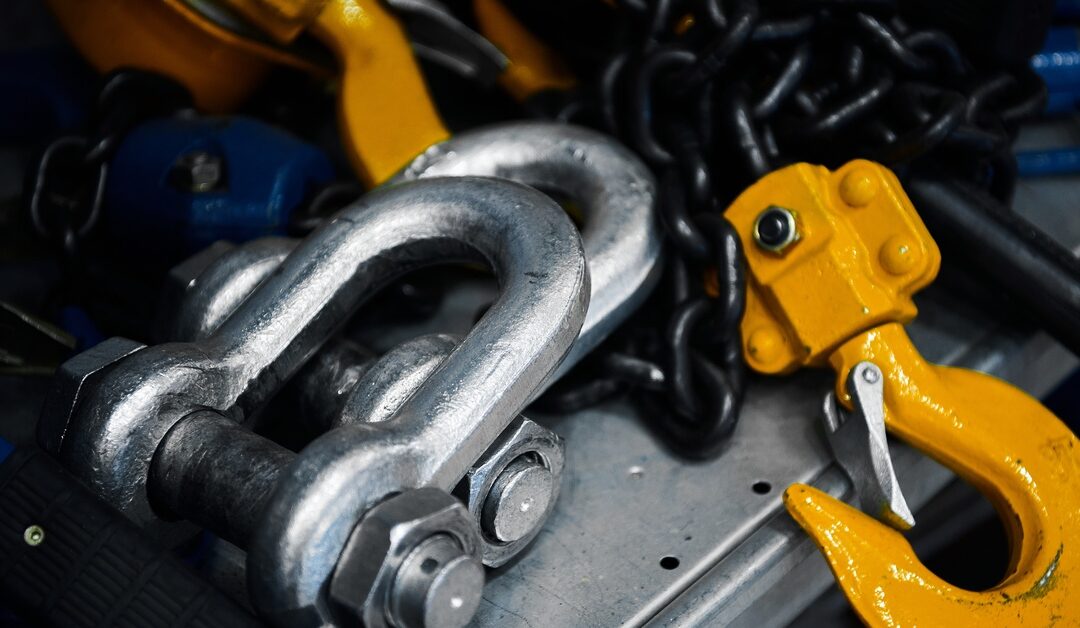
The integration of smart sensors in rigging equipment is changing how crews handle lifts, track loads, and manage safety on the job. Instead of relying only on manual checks, teams can see real-time data that helps them react faster and make better decisions. On jobs where timing and safety matter, that kind of visibility can keep everything moving without unnecessary setbacks.
How Smart Sensors Improve Load Monitoring
Smart sensors give operators a clearer picture of what’s happening during a lift. By tracking weight and force in real time, they help reduce the risk of overloading equipment or misjudging how a load is balanced.
Most systems connect to a display or mobile device, so crews can check data without slowing down the job. That quick access makes it easier to catch issues early and adjust before they become bigger problems.
With better visibility, teams can:
- Monitor load weight continuously.
- Detect uneven load distribution early.
- Avoid exceeding rated capacity limits.
- Make adjustments during the lift process.
This added insight supports safer, more controlled lifts, especially when handling heavy or complex loads.
How Smart Sensors Support Preventive Maintenance
Smart sensors also play a role in how crews approach maintenance. Instead of waiting for visible wear, teams can track how equipment is used and spot patterns that point to potential issues.
By monitoring stress and usage over time, it becomes easier to plan inspections and avoid unexpected downtime. That kind of proactive approach helps keep equipment reliable when it matters most.
Smart systems can help track:
- Frequency of use across lifting equipment
- Exposure to high loads or repeated stress
- Sudden impacts or unusual strain events
- Patterns that signal early wear or fatigue
Staying ahead of maintenance needs helps extend equipment life while supporting safe performance.
How Smart Sensors Enhance Jobsite Safety
Safety is always a top priority in rigging work, and smart sensors add another layer of support. Real-time alerts can notify crews if something changes during a lift, like a shift in weight or an unexpected increase in load.
That faster response helps reduce the chance of accidents and protects both workers and materials. It also gives crews more confidence when handling lifts that require careful coordination.
Smart sensor integration can also support:
- Clearer communication between crew members
- Better planning for complex or multi-point lifts
- Greater confidence in equipment performance
- Reduced reliance on guesswork in high-risk situations
When combined with proper training and equipment selection, these tools help create a more controlled and predictable work environment.
Why Smart Sensors Are Becoming Standard in Rigging
The integration of smart sensors in rigging equipment is becoming more common as jobsite expectations continue to rise. Crews are expected to work efficiently, stay on schedule, and maintain a strong focus on safety—all at the same time.
Smart systems don’t replace proper training or durable equipment, but they do make both more effective. When the right tools and technology work together, teams are better prepared to handle demanding lifts with confidence.
Looking to upgrade your setup with smarter solutions? American Cable Rigging offers reliable, customizable equipment and expert guidance to help you find the right fit. Reach out today to explore cable and rigging supplies that support safer, more efficient lifts.