
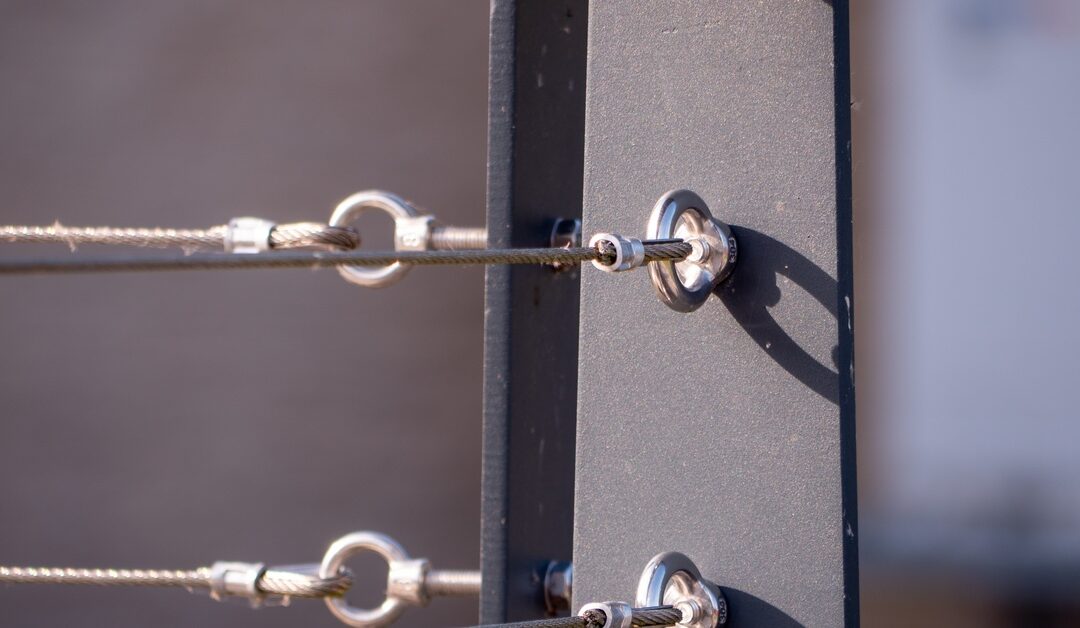
Cold weather can be tough on outdoor railing systems. Moisture, ice, and freeze-thaw cycles can affect how a railing looks and performs through the season. Winterizing your cable railings helps protect their appearance and long-term reliability before the harsh weather settles in. A little prep now can make cleanup easier and help your railing system stay safer through the colder months.
Prepare Your Railing Before Winter
Start with a close visual inspection while the weather is still manageable. Look over the posts and fittings for loose hardware, visible corrosion, or spots where water may collect. Small issues are easier to handle before snow and ice make access harder.
Pay close attention to cable tension, too. Cold temperatures can affect materials differently, so a cable that looked fine in summer may need another look before winter. If anything seems loose or out of alignment, take care of it before the first hard freeze.
Clean Your System Before Snow
A clean railing is easier to inspect and better prepared for winter weather. Remove dirt and salt residue using mild soap, water, and a soft cloth or brush. Avoid harsh cleaners unless the product manufacturer recommends them.
Once the railing is clean, dry the system well. Trapped moisture can sit around fittings and connection points. That extra step helps reduce buildup before freezing temperatures arrive.
Before winter weather sets in, make sure you:
- Clear leaves from around posts.
- Remove buildup near fittings.
- Wipe down exposed cable runs.
- Check drainage around the railing base.
Protect Your Railing During the Winter
Winterizing cable railings in cold climates does not stop once the first snow falls. Heavy snow can add weight and hide small issues that need attention. Clear snow gently with tools that will not scratch the railing surface.
Salt can also be tough on metal components. If your railing is near treated walkways or road spray, rinse it when temperatures allow. This simple habit helps reduce residue that may contribute to corrosion over time.
Plan Your Spring Follow-Up
Once temperatures rise, give the railing another careful look. Check for loose fittings, uneven tension, or signs of surface wear. This follow-up helps you catch winter damage before regular outdoor use picks back up.
Cable railing systems work best when each part fits the setup. Posts, fittings, turnbuckles, and cable all need to work together so the system stays secure and looks clean. If you notice worn hardware or need replacement parts, avoid guessing on size or compatibility.
For help choosing cable for railing systems or replacement hardware, reach out to American Cable Rigging. Our team can help you find reliable parts that fit your needs and support your railing through cold-weather conditions.