
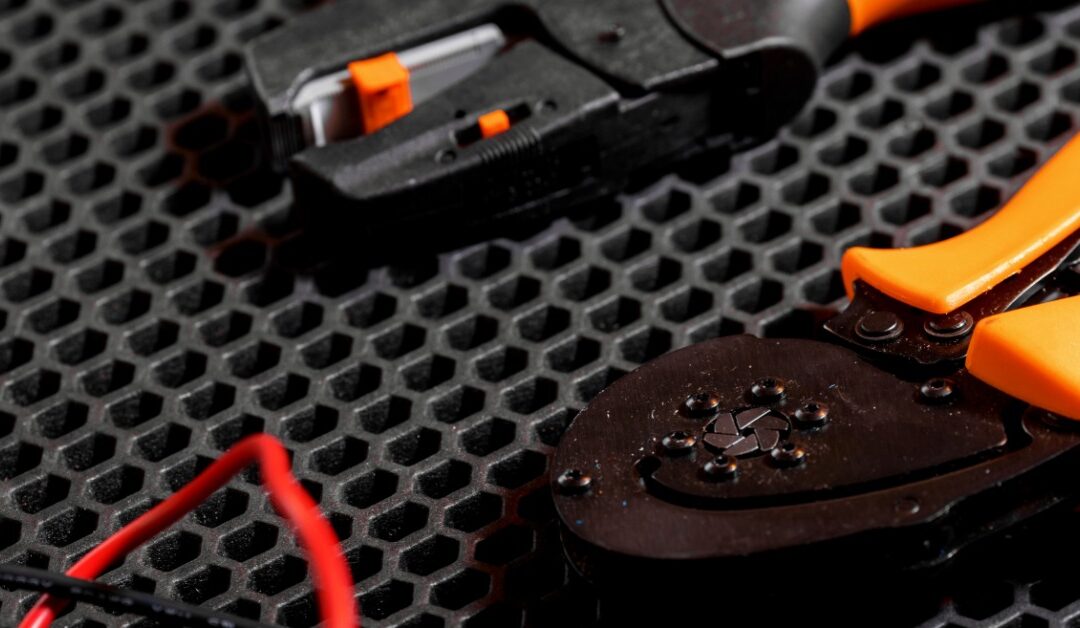
Cable crimping tools help create secure, consistent connections during cable railing installations. When dirt, wear, or poor storage affects the tool, each crimp can take more effort and produce less reliable results. Following our practical tips for maintaining your cable crimping tools helps reduce unnecessary replacements and keep installation work moving smoothly. A simple maintenance routine also makes it easier to catch problems before they interrupt a project.
Clean Your Tools After Each Use
Metal shavings and jobsite dust can collect around the jaws and moving parts of a crimping tool. Over time, that buildup may affect smooth operation or make it harder to position fittings correctly. Wipe the tool with a clean, dry cloth after each use, paying close attention to the crimping head.
For stubborn residue, follow the manufacturer’s cleaning recommendations. Avoid soaking the tool or using harsh chemicals that could damage its coating or internal components. Keeping a cable railing crimper clean also makes early signs of wear easier to spot.
Inspect Your Tools Before Each Project
A quick inspection can help you catch small problems before they affect performance. Open and close the tool to make sure it moves smoothly without sticking or requiring excessive force. Check the jaws and handles for visible damage before work begins.
Watch for signs of wear such as:
- Chipped or uneven crimping surfaces
- Loose bolts or pins
- Bent or cracked handles
- Rust or corrosion
- Hydraulic leaks on powered models
Do not keep using a damaged tool until you have reviewed the manufacturer’s instructions or arranged proper service. A worn crimper may create inconsistent connections and make installations more difficult. Addressing wear early can also keep minor damage from turning into a more expensive repair.
Store Your Tools in a Dry Location
Proper storage protects crimping tools from moisture and impact. Keep each tool in a clean, dry location when it is not in use. A fitted case or designated storage area can prevent the jaws from being damaged by heavier equipment.
Before putting the tool away, secure it according to the manufacturer’s directions. Keep dies and accessories organized nearby so the correct parts are easy to find. Good storage habits can help crews avoid delays caused by missing or damaged equipment.
Protect Your Investment With Consistent Care
The most useful tips for maintaining cable crimping tools come down to consistent care. Clean the tool after each use, inspect it before starting a new project, and store it in a dry, protected space. Following the manufacturer’s recommendations for lubrication and scheduled service can also help keep the tool working smoothly over time.
When your project calls for reliable cable railing tools, fittings, or installation support, contact American Cable Rigging. Our team can help you choose products that fit your system and keep your project moving forward.