
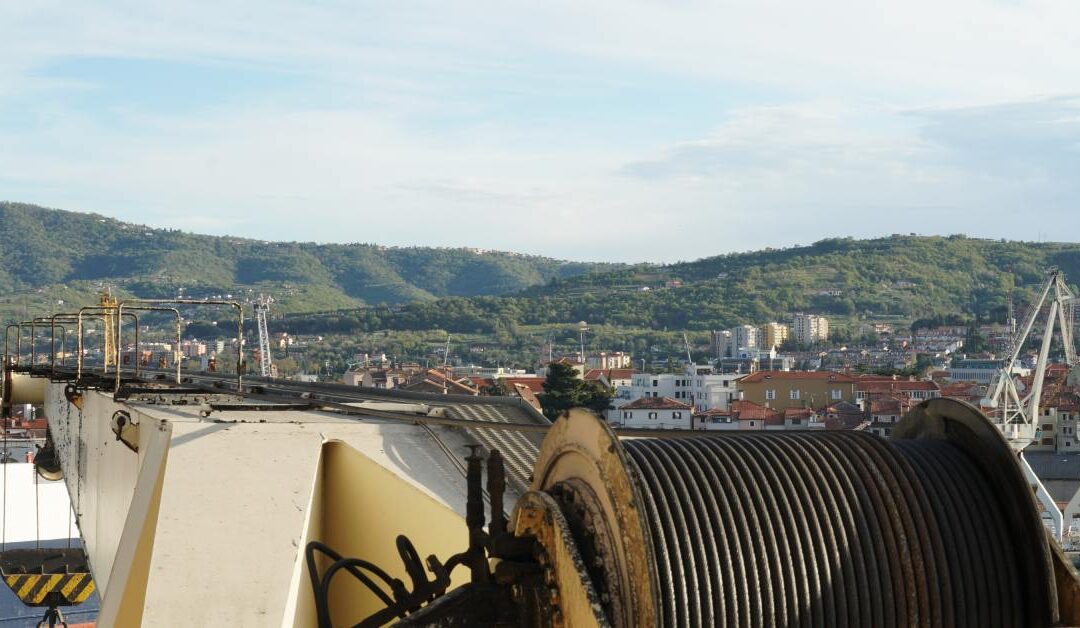
Maritime work relies on the safe and efficient movement of heavy loads. From the first sailing ships to today’s enormous container vessels, rigging has always played a central role. The evolution of rigging techniques in maritime industries traces a fascinating journey, from simple ropes made of natural fibers to today’s advanced synthetic lines and engineered equipment. Each stage in this evolution reflects the industry’s constant push for greater strength, reliability, and safety.
From Natural Fibers to Steel Wire
In the early days, sailors depended on ropes made from natural fibers like hemp, manila, and sisal to manage sails and move cargo. These ropes held up well for their time, but they came with plenty of challenges. Exposure to the sun and saltwater wore them down quickly, leading to rot, stretching, and the need for constant upkeep. On top of that, once they got wet, these ropes became heavy and tough to handle, making the job even harder at sea.
By the mid-1800s, steel wire rope changed everything. They stood up to tough marine conditions, moved heavier loads without wearing down, and outlasted natural fiber ropes by years. Shipbuilders could now design bigger vessels and move cargo with more confidence and efficiency.
The Rise of Synthetics and Modern Equipment
The 20th century marked a real turning point with the arrival of synthetic fibers. Nylon and polyester brought big advantages. They’re light, strong, and hold up well against water, chemicals, and harsh sunlight. Synthetic lines stretch just enough to absorb heavy shocks, easing the strain on both equipment and cargo. That reliable performance helped crews work faster and with more confidence.
As materials improved, so did the gear. Today’s cranes, winches, and hoists let crews handle tough lifts with precision and confidence. Modern maritime work relies on having access to dependable cable and rigging supplies that meet a wide range of needs. Using the right slings, shackles, and hardware means every lift stays safe and follows strict regulations. With these specialized tools ready and available, ports can keep operations running smoothly and efficiently.
How Has Technology Shaped Modern Rigging?
Technology has truly raised the bar for maritime rigging. Crews rely on an entire toolkit of advanced tech, all designed to get the job done right while looking out for everyone’s well-being. Each upgrade only boosts efficiency and helps keep people and cargo safe.
Here are a few of the most impactful upgrades crews have at their fingertips.
- Load monitoring systems provide real-time data on the weight and distribution of a load, which prevents overloads and equipment failure.
- Computer-Aided lift planning software allows riggers to simulate complex lifts before they happen, identifying potential hazards and optimizing the process.
- Automated systems perform repetitive tasks with high precision, which reduces the chance for human error.
All these advances point to the incredible evolution of rigging techniques in maritime industries. By pairing tough, dependable materials with smart technology, crews gain safer, more productive ways to get the job done. From simple hemp ropes to high-tech, computer-assisted synthetic lines, the industry shows a steady commitment to better, safer, and more reliable solutions.