
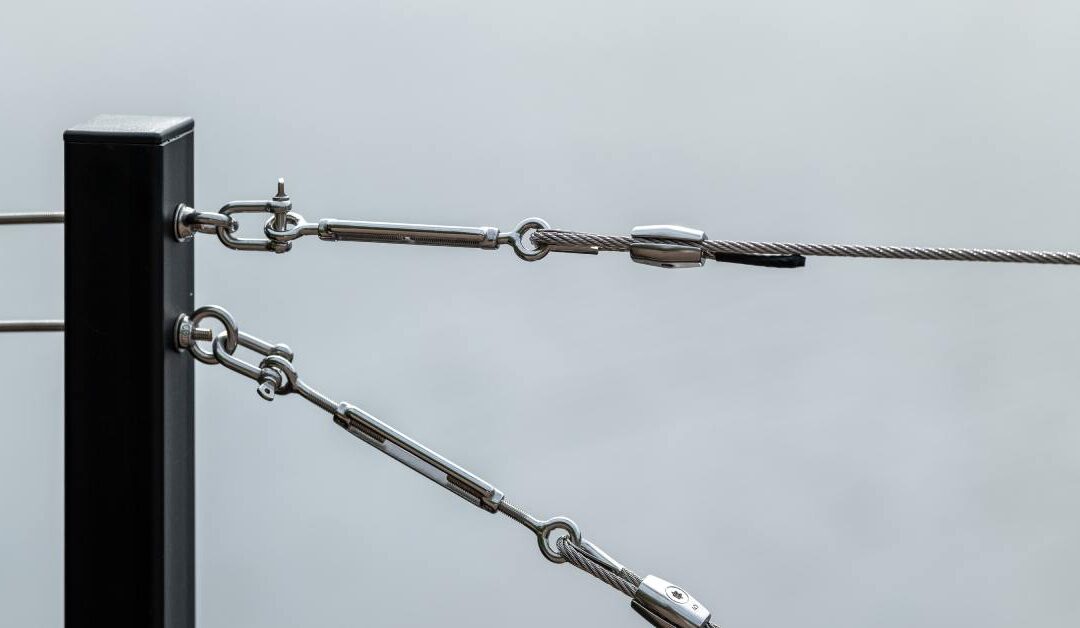
Renovating a historic building often means balancing preservation with modern functionality. Owners and contractors want upgrades that improve safety and usability without taking away from the historic building’s original character. That’s why many renovation teams turn to cable railings when they need a solution that blends strength with a clean, minimal look.
Preserving Historic Character With Minimal Visual Impact
One of the biggest challenges in historic renovations is protecting the building’s original visual appeal. Bulky railings or solid panels can hide architectural details or interrupt the structure’s historic feel. Cable railing systems avoid that problem by keeping the design light and unobtrusive.
The thin horizontal cables provide safety without overwhelming surrounding features. This makes them a practical option for stairways, balconies, decks, and walkways in older structures. Instead of drawing attention away from the building’s craftsmanship, cable railings allow elements like decorative woodwork, brickwork, or stone to remain the focal point.
Supporting Modern Safety Expectations
Historic buildings weren’t always built with today’s safety expectations in mind. Renovation projects often include upgrades that protect residents, employees, or visitors. Installing cable for railing systems achieves that goal while still respecting the building’s original design.
Cable railings provide dependable support when properly installed and tensioned. The cables run between posts to create a barrier that helps prevent falls on elevated areas like balconies or stair landings. Property owners can add modern safety features without installing bulky railings that clash with historic architecture.
Adapting Cable Railings to Historic Structures
Every historic building presents unique design challenges. Different materials, layouts, and architectural styles require a flexible approach when planning a railing system. Cable railings offer that flexibility, allowing renovators to adapt the system to existing structures.
Design teams often integrate cable railings into historic renovations in several ways:
- Installing cables between restored wooden posts to maintain a traditional look
- Pairing cables with metal or stainless steel posts for modern durability
- Adding cable railings to balconies or decks without blocking scenic views
These options allow contractors to design railings that fit the structure rather than forcing the building to fit the railing system.
Choosing Compatible Components for Long-Term Performance
Selecting compatible materials and hardware is essential when working on historic renovations. The railing system must integrate smoothly with the existing structure while holding up under daily use.
Contractors often review several factors before installing a cable railing system, such as:
- Compatibility with the building’s existing posts or framing
- Durability in outdoor or high-traffic environments
- Ease of inspection and maintenance over time
Taking these factors into account helps renovation teams choose hardware that works seamlessly with the building while supporting dependable performance.
Balancing Preservation With Modern Function
Historic renovations work best when upgrades respect the building’s past while preparing it for modern use. That balance is one reason contractors continue utilizing cable railings in historic building renovations. The streamlined design helps protect architectural details while adding modern safety and durability.
If you’re planning a renovation project and need dependable components, American Cable & Rigging can help you choose the right cable for railing systems and hardware. Contact our team for expert guidance and durable products that support your next restoration project.