
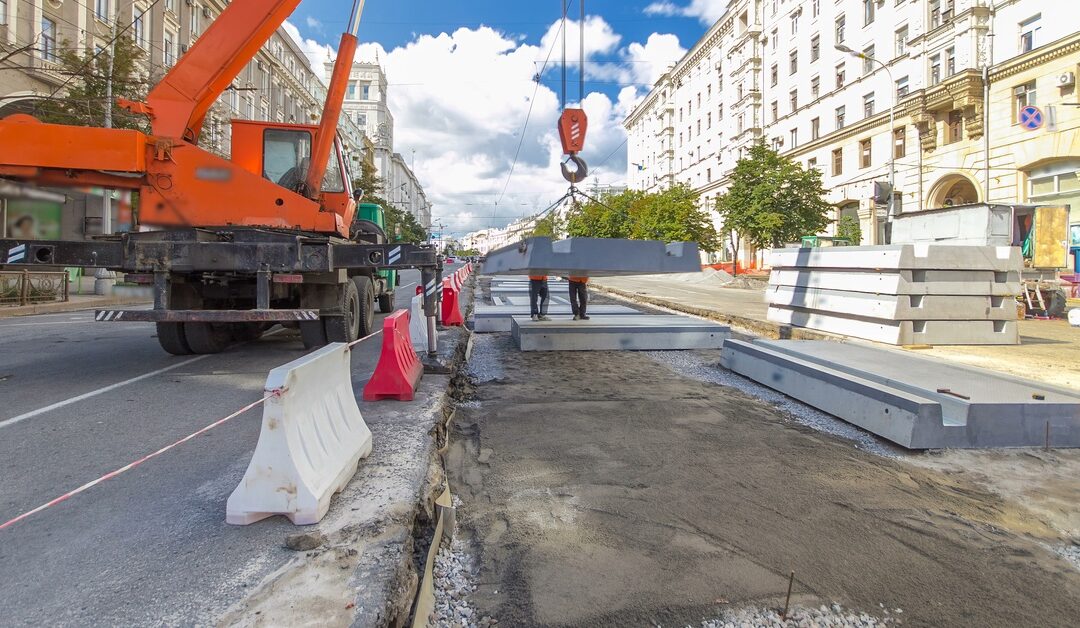
When contractors build in a city, they must deal with a range of obstacles, particularly when rigging loads and moving them. Successfully navigating these hurdles is key to keeping your project safe, on schedule, and within budget. Read on to learn about some of the various rigging challenges in urban construction projects and how you can overcome them.
Cramped Spaces
One of the most frequent issues that contractors encounter in cities is a lack of space. Urban job sites are notoriously cramped, leaving little room for cranes and heavy equipment to maneuver. This makes lifting and placing large materials, like steel beams or precast concrete panels, incredibly difficult.
To address these challenges, teams can rely on compact cranes and modular rigging systems specifically designed for tight urban environments, enabling safer, more flexible lifts even when space is at a premium. In addition, it is essential to staff your rigging crew with experts at planning complex lifts in confined areas. They will help ensure that every movement is precise to avoid collisions with adjacent buildings, power lines, or other structures.
Pedestrian and Vehicle Traffic
City streets are always bustling with activity. Construction projects must find ways to work around the constant flow of cars and people. This often involves scheduling lifts during off-peak hours, implementing detailed traffic control plans, and using flaggers to ensure public safety.
Partnering with a reliable rigging supplier can also help crews access the right equipment and support needed to navigate these busy environments safely. A single mistake could lead to significant disruptions or dangerous accidents, so coordinating every lift with city authorities and managing public access is essential.
Extensive Regulations
Another example of a rigging challenge contractors encounter in urban construction projects is strict regulations. Their work is subject to a web of strict local, state, and federal rules that govern everything from noise levels and working hours to crane certifications and lift plan requirements. Obtaining the necessary permits can also be a lengthy process, and failing to comply with any regulation can result in hefty fines or work stoppages.
Construction teams can adapt by staying current with all applicable codes and ensuring their associates follow them to the letter. Partnering with compliance experts or using specialized permitting software can also make a big difference. These approaches help ensure your team stays on track, avoids delays, and focuses on getting the job done right.
Logistical Hurdles
Simply getting rigging equipment to a city job site can be a huge undertaking. Navigating narrow streets, weight-restricted bridges, and delivery time windows creates significant logistical puzzles.
This requires flawless coordination between suppliers, trucking companies, and the on-site rigging crew to keep the project moving forward. Additionally, regularly scheduling meetings and sending real-time updates via project management apps will ensure everyone stays aligned with delivery timelines and site access restrictions. With proactive planning and the right collaboration tools, firms can turn urban logistical hurdles into opportunities for efficiency and reliability.
Navigating the unique demands of urban rigging takes skill, experience, and dependable equipment. The challenges of tight spaces, heavy traffic, overhead obstructions, strict regulations, and complex logistics require a dedicated approach from every crew involved. By understanding and preparing for each obstacle, construction teams can keep their projects safe and efficient in dense city environments.