
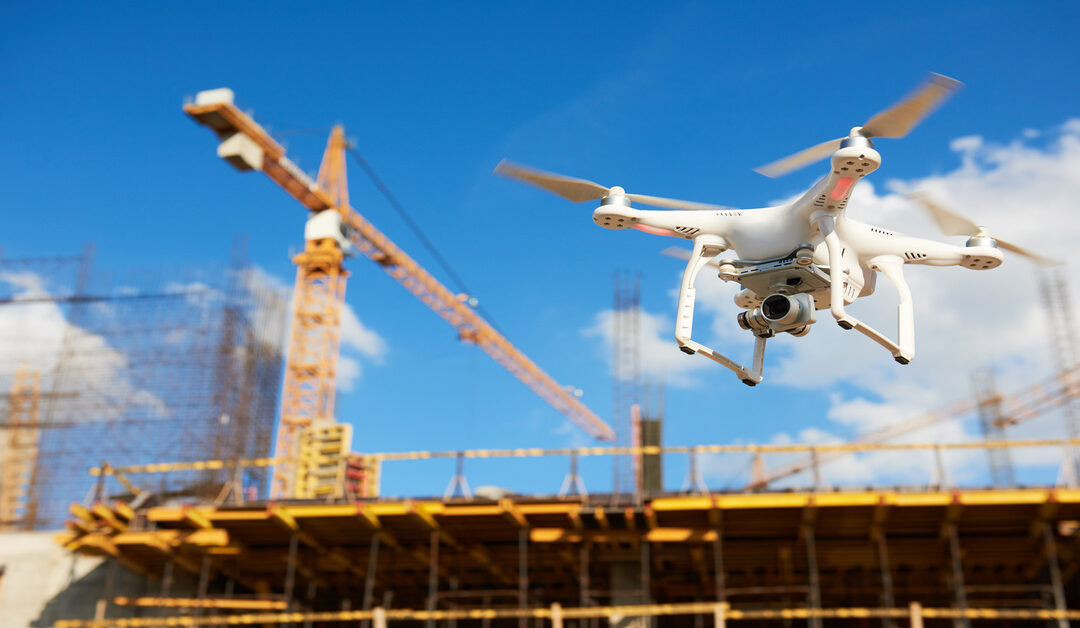
Drones are becoming a practical, everyday tool on modern jobsites. Using drones for rigging inspections and surveys begins with one clear benefit: better visibility without putting people in harm’s way. Instead of sending crews into elevated or difficult-to-access areas, teams can gather detailed visuals from the ground. That early insight helps support safer decisions before any lifting equipment is put into use.
As drone technology becomes more accessible, contractors are finding new ways to integrate it into routine rigging work. When combined with experienced judgment, drone footage can help crews plan lifts with fewer unknowns and more confidence.
Improving Safety During Rigging Inspections
Rigging inspections often place workers near heights, suspended loads, or active equipment. Drones help reduce that exposure by allowing teams to evaluate conditions remotely during the planning stage. This approach limits unnecessary climbing while still providing a clear view of critical areas.
Modern drones capture high-resolution images and video of rigging points, structural members, and overhead obstacles. Reviewing this footage from the ground makes it easier to spot visible damage, interference risks, or access challenges before personnel or equipment are committed.
Enhancing Site Surveys and Lift Planning
Surveying a jobsite can take significant time, especially on large or congested projects. Drones allow crews to cover wide areas quickly without disrupting other work. That efficiency helps keep projects moving when lifts fall on tight schedules.
Drone footage also improves communication during pre-lift planning. Clear visuals help teams confirm clearances, review lift paths, and align on sequencing with engineers and rigging professionals before equipment arrives on site.
Supporting Smarter Equipment Selection
Drone inspections do not replace hands-on expertise, but they add valuable context to equipment decisions. Visual data can highlight load shape, attachment points, and nearby constraints that influence sling and hardware selection. Having that information early helps reduce guesswork later.
This insight is especially useful when planning custom configurations. Sharing drone footage with your supplier helps ensure slings, shackles, and hardware are selected or built to match actual jobsite conditions.
Understanding Limits and Best Practices
Drones are most effective when used as part of a broader inspection process. Weather, lighting, and site restrictions can affect image quality and flight capability. Local regulations may also limit where drones can operate.
For the best results, drone data should be reviewed alongside on-site inspections and manufacturer guidance. Combining aerial visuals with experienced evaluation helps ensure rigging decisions remain grounded in proper selection and rated use.
Planning Lifts With Better Visibility
Using drones for rigging inspections and surveys gives teams a clearer picture before the first sling is installed. That added visibility supports safer planning, smoother coordination, and fewer last-minute changes. While drones do not replace qualified riggers, they help teams prepare more thoroughly and communicate more clearly.
When drone footage is shared early, a knowledgeable rigging supplier can help confirm equipment compatibility and avoid last-minute changes before lifts begin. The result is a more organized approach that keeps safety, timelines, and performance aligned from start to finish.
Need help selecting the right slings, shackles, or hardware for an upcoming lift? Contact American Cable & Rigging for expert guidance and support tailored to your project’s specific requirements.