
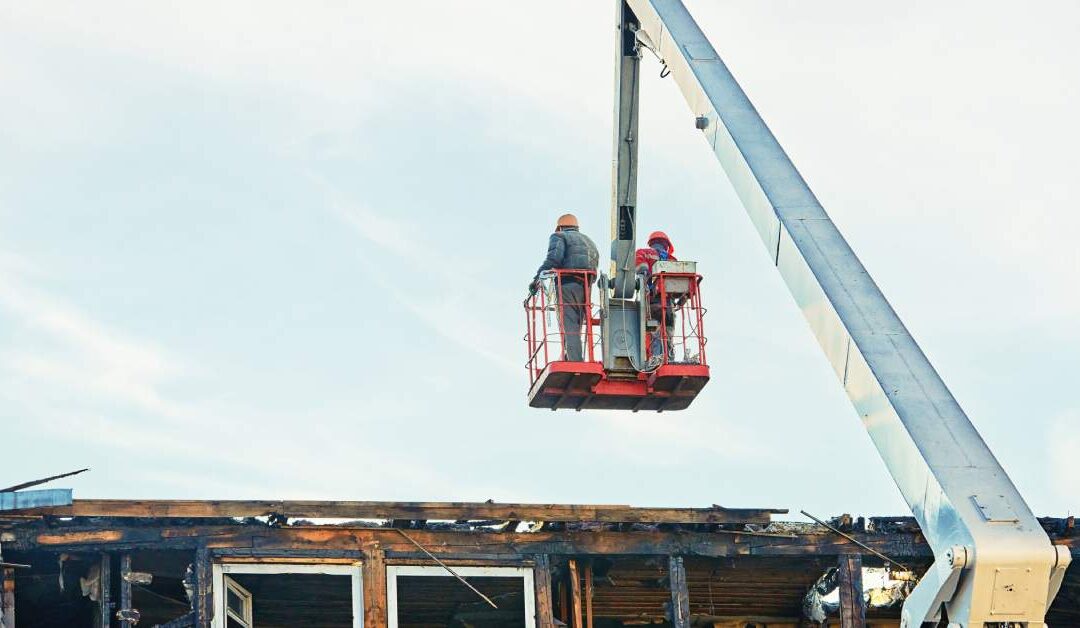
When disaster strikes, communities need swift, coordinated responses. Collapsed buildings block emergency routes, downed power lines leave neighborhoods in darkness, and debris creates dangerous obstacles for rescue teams.
Behind every successful recovery operation stands an often-overlooked hero: professional rigging equipment and the skilled operators who deploy it. The role of rigging in disaster recovery and relief represents the critical foundation that enables communities to rebuild and heal.
Disaster Recovery Operations
What Happens After Disaster Strikes?
Emergency responders arrive at chaotic scenes to evaluate and repair failing infrastructure. Collapsed structures create unstable terrain that threatens civilians and rescue workers. Roads become impassable when trees, debris, and damaged vehicles create blockages. These scenarios demand heavy lifting capabilities, precise load control, and the safe movement of dangerous materials through compromised environments.
Who Gets Involved?
Emergency services coordinate with utility crews, construction teams, and specialized rigging professionals to execute complex recovery operations. Each team brings unique expertise, but rigging specialists provide the technical knowledge needed to move heavy objects safely in high-risk environments.
Rigging’s Critical Role in Recovery Efforts
Lifting and Moving Heavy Debris
Wire rope slings, chain slings, and synthetic slings become essential tools for clearing massive obstacles that block access routes. Crane rigging operations enable crews to stabilize structures and perform lifting operations in tight spaces where traditional equipment cannot operate effectively. These specialized techniques allow responders to remove debris systematically while protecting workers and civilians.
Supporting Utility and Infrastructure Repairs
Power companies rely on precision lifting equipment to restore electrical service quickly. Communication towers require careful placement using shackles, chokers, and turnbuckles that secure lines and sensitive equipment during installation. Water treatment facilities commonly need rigging systems to position heavy pumps and filtration components.
Tools of the Trade: What Makes Recovery Possible
Chain slings provide durability for handling jagged debris and damaged materials. Web slings and round slings offer flexibility when working around delicate structures that might suffer additional damage. Shackles create secure connection points that maintain safety standards even under extreme conditions. Nylon and poly slings prove invaluable when weight reduction and flexibility become critical factors in confined spaces.
Emergency responders cannot wait for equipment deliveries or deal with substandard gear that fails under pressure. Trusted rigging supply stores ensure the tools arrive quickly when communities need them. Quality equipment prevents delays that could cost lives and extends recovery timelines.
Preparing for the Next Emergency
The role of rigging in disaster recovery and relief efforts demonstrates how specialized equipment transforms chaotic disaster scenes into manageable recovery operations. Communities that invest in quality rigging partnerships before emergencies occur position themselves for faster, safer recovery when disasters inevitably strike.
Whether supporting everyday construction projects or emergency response missions, working with experienced rigging suppliers ensures access to reliable equipment and expert guidance when the stakes are high.